The DRC's Ebola Outbreak Just Became The Deadliest In The Country's History — And It's Spreading Fast
At least 2,325 people have died in what's now the fastest-growing Ebola outbreak ever recorded — and the WHO says it's killing one person every 30 minutes. Here's what you need to know.
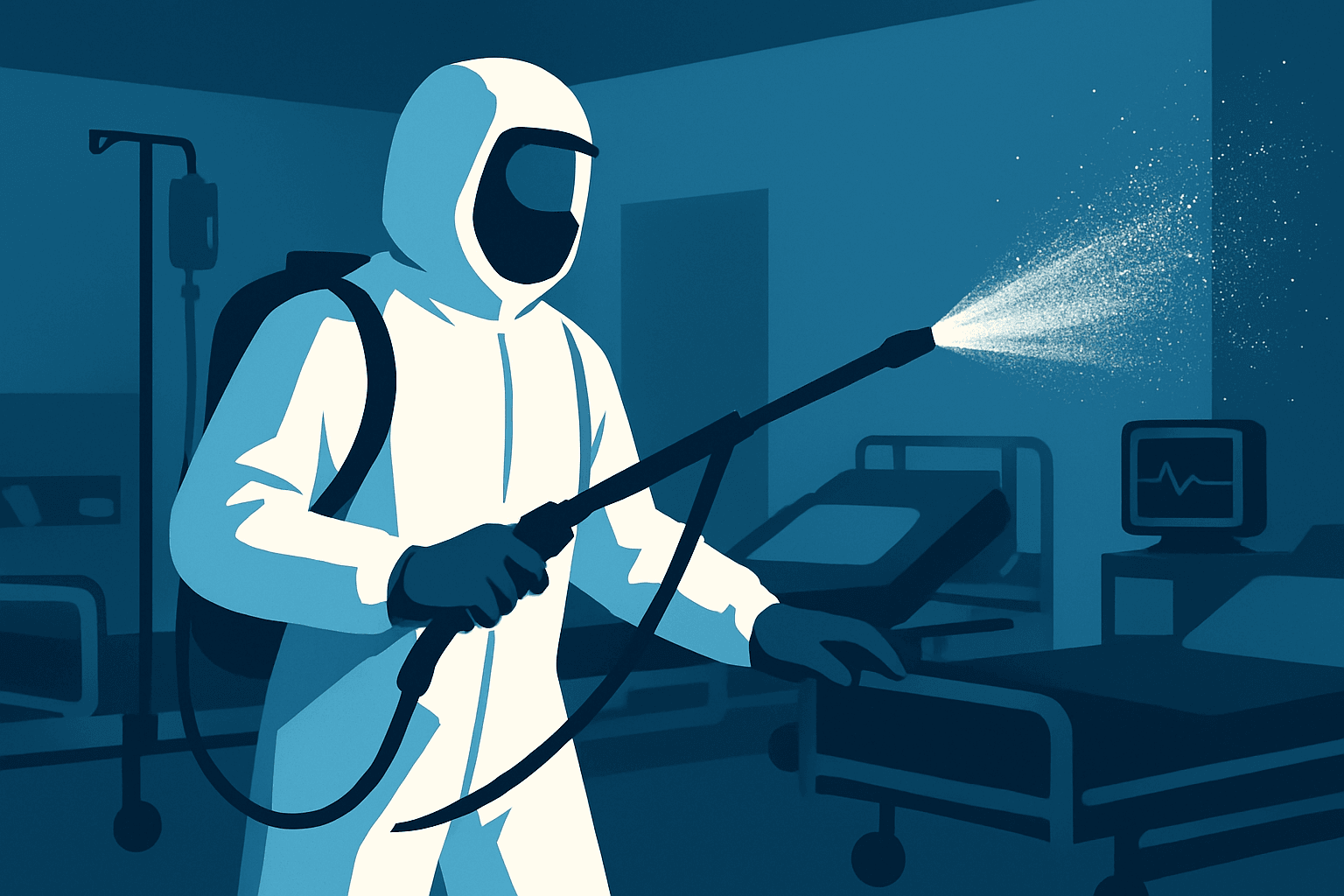
The Ebola outbreak in the Democratic Republic of the Congo has just surpassed a grim milestone: it's now the deadliest outbreak in the country's history.
At least 2,325 people have died from the virus, according to the Guardian, overtaking the death toll from the 2018-20 outbreak. And the numbers keep climbing — the DRC's public health institute reported 4,945 confirmed cases, including 101 detected in a single 24-hour period.
This is now the fastest-growing Ebola outbreak in recorded history.
The Scale Is Staggering
The World Health Organization says this outbreak is on track to become the biggest Ebola crisis ever — surpassing even west Africa's devastating 2014-16 outbreak that killed 11,325 people across Guinea, Liberia and Sierra Leone.
But here's what makes this outbreak particularly alarming: it took almost five months for that west Africa outbreak to reach 1,000 deaths. This DRC outbreak hit more than 2,000 deaths in less than three months.
On Friday, the UN delivered a stark warning: Ebola "is winning in the Democratic Republic of the Congo" and is killing one person every 30 minutes.
Why It's Spreading So Fast
Six of the DRC's 26 provinces have been affected, mainly along the north-eastern border. More than 3,400 cases have been recorded in Ituri province alone, where the outbreak first began.
The problem? There are no approved vaccines or treatments yet for the rare Bundibugyo strain of the virus that's driving this surge. Clinical trials for two possible treatments only began last month, and two vaccines developed specifically for this strain are now being tested.
More than 70% of people are dying in the community, not in health centres, according to the WHO's regional Africa director Mohamed Janabi.
The Human Cost
Thomas Parisch, a public health specialist deployed to the DRC with Médecins Sans Frontières, explained the challenge: "Normally, as an outbreak progresses, the case fatality ratio should fall as contact tracing improves and patients are identified and treated earlier. Instead, we're still seeing many cases detected very late, when treatment is less likely to succeed, with many identified only after they die in the community."
Many people are choosing to stay home rather than seek treatment at health facilities. Jean-Paul Malo Lotsima, a civil society official in the Djugu area of Ituri, told AFP: "People prefer to be treated at home, thinking it is a case of poisoning or some other illness."
Flavier Ngurima, who lives in Nizi — one of the outbreak's hotspots — lost his brother before he could reach a treatment centre. "We had called on a nurse from the family to treat him at home because the patient and the family members were afraid to go to the ETC [treatment centre]," he said. "They said that over there, a lot of people die."
What's Making It Worse
The response has been hampered by multiple factors:
- Attacks on healthcare facilities, often fuelled by misinformation about safe burial practices
- Strikes by unpaid health workers
- Decades of unrest and poor health infrastructure
- Limited road access in affected areas
In May, the WHO declared the outbreak in the DRC and Uganda a public health emergency of international concern. Sequencing showed the outbreak had actually started months earlier, in February.
The Only Good News
Despite the devastating toll, around 1,000 people have recovered from the infection. Another 730 are currently in healthcare or isolation facilities receiving treatment.
Uganda, which had reported at least 20 cases in its capital Kampala, declared itself Ebola-free on July 28 after the last patient was discharged on July 16. No community transmission has been recorded there since June 21.
But in the DRC, the outbreak continues to accelerate at an unprecedented pace.
This is a developing public health crisis that demands urgent international attention and resources. With one person dying every 30 minutes, every day counts.
Sources:
Spill It 💬
0 commentsWhat do YOU think? Drop your hottest take below.
No comments yet 👀
Be the first to spill.