The US And Canada Just Went To War Over Trade — And A 50% Tariff Is About To Hit $20 Billion Worth Of Goods
Trade talks between the US and Canada collapsed minutes before the Friday midnight deadline, triggering massive new tariffs and a vow from Canadian PM Mark Carney to retaliate "dollar for dollar." Here's what just happened between two of the world's biggest trading partners.
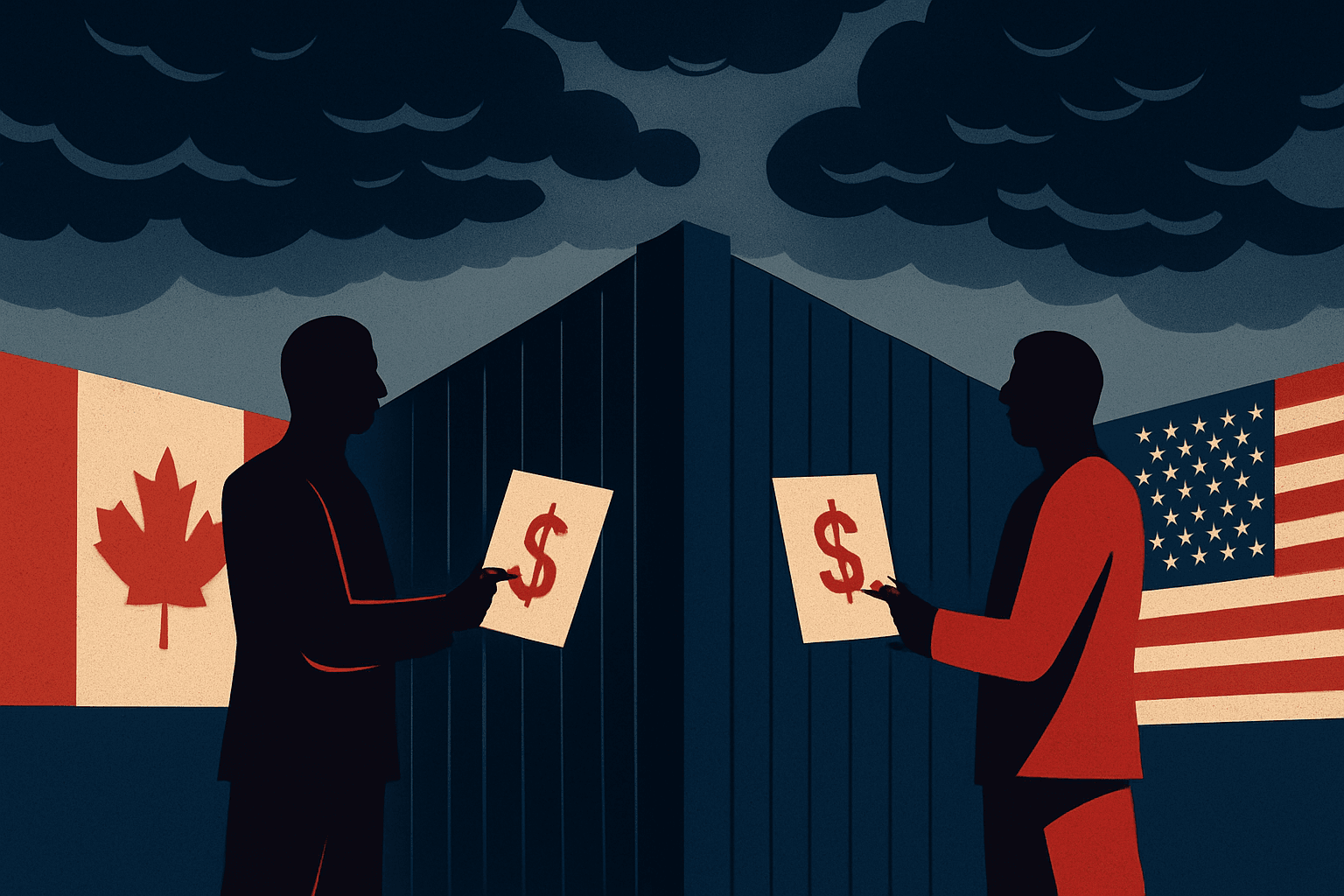
The trade war everyone hoped would be avoided just became reality.
Minutes before the Friday night deadline, Canadian Prime Minister Mark Carney announced he was walking away from trade negotiations with the United States — and promised to match Donald Trump's incoming tariffs "dollar for dollar."
The US is now imposing a brutal 50% levy on nearly $20 billion worth of Canadian imports, covering everything from wine and dairy to cement, clothing, and yes, even hockey equipment.
And Canada? They're hitting back just as hard.
What Just Happened
The breakdown came after months of intense negotiations that seemed, just days ago, to be heading toward a deal both sides could live with.
According to the BBC, Trump had temporarily paused the tariffs earlier in the week, saying the two countries were close to signing something "very good" for both nations.
But in a statement released just before midnight Friday, Carney said the US made "last-minute changes" to the proposed terms that were "unfair, uneconomic, and called into question the reliability of any deal."
"As a result, I have decided to suspend trade negotiations with the US," Carney announced, directing his team to return to Ottawa.
The US trade representative Jamieson Greer fired back almost immediately, claiming Canada had made "new demands" and walked back commitments that "upended the careful balance reached in the past days."
The Stakes Are Massive
This isn't just about tariffs — it's about the future of North American trade.
The US and Canada sold each other $880 billion worth of goods and services last year, making them two of the world's most important trading partners. The new tariffs affect about 5% of what Canada ships to the US annually.
The Guardian reports that Trump's tariffs will hit products ranging from hockey sticks to tongue depressors, wine to dairy, cement to clothing.
These come on top of existing US tariffs already in place on Canadian steel, aluminum, autos, and lumber.
The US Chamber of Commerce warned earlier this week that "higher tariffs would damage both economies, drive up costs for US families, further disrupt critical supply chains, and risk the 13 million American jobs that depend on trade."
What They Were Fighting Over
Negotiators had reportedly been close to a deal that would have reduced US tariffs on Canadian steel and aluminum from 50% to 25%, and on Canadian autos from 25% to 15%.
In exchange, Canada was being asked to restore US alcohol to store shelves (most provinces banned American booze last year in retaliation to earlier Trump tariffs), adjust dairy quotas to allow more US cheese, and drop remaining retaliatory tariffs on American cars.
But something went wrong in the final hours.
Canada wanted concessions on steel, aluminum, vehicles, and lumber that the US was unwilling to provide, a senior Trump administration official told reporters.
Canada Isn't Backing Down
Doug Ford, the premier of Canada's largest province Ontario, threw his support behind Carney immediately.
"Team Canada needs to stand together more united than ever before," Ford wrote on X. "The prime minister has my full support for a strong response — tariff for tariff, dollar for dollar."
Carney said his government would announce additional support for Canadian workers and businesses in the coming days, emphasizing that Canada's goal was always "the best possible agreement — never a deal at any price or on any deadline."
The Canadian Chamber of Commerce called the tariffs "a body blow to North American competitiveness," warning they would raise costs for Americans while threatening Canadian customers, investment, and small businesses.
What Happens Next
The tariffs officially took effect at 12:01 AM Saturday, using a Depression-era law called the Tariff Act of 1930.
No further talks have been scheduled.
The escalation raises serious questions about the US-Mexico-Canada Trade Agreement (USMCA), the pact that replaced NAFTA and is crucial to industry across all three countries.
And it marks a dramatic shift from earlier this week, when both US and Canadian officials sounded optimistic that a beneficial deal was within reach.
Now? Both sides are digging in.
Sources:
- BBC News: Canada says it will match US tariffs 'dollar for dollar' as trade talks break down
- The Guardian: Canada vows to match Trump's 50% tariffs after trade deal talks fail
Do you think Canada is right to retaliate, or should they have taken the deal? Let us know in the comments.
Spill It 💬
0 commentsWhat do YOU think? Drop your hottest take below.
No comments yet 👀
Be the first to spill.